10 Family Destinations Worth the Drive (That You Won't Find on Every "Best Of" List)
 Tyler Heilberger, Founder of Go With Rosie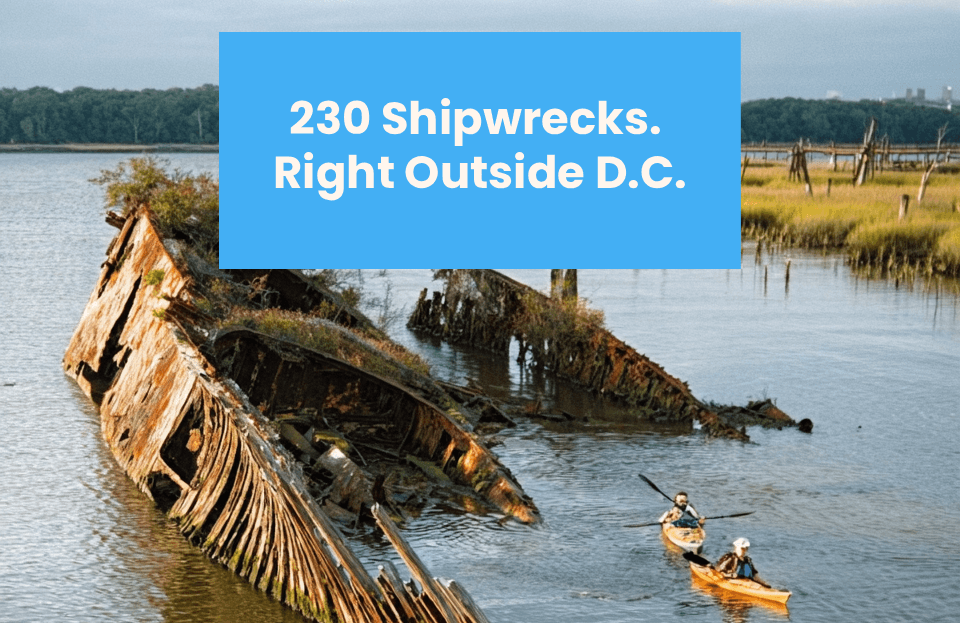
The best under-the-radar family destinations in the US include a ghost ship graveyard you can kayak through in Maryland, free hot springs and real dinosaur digs in Wyoming, cliff dwellings you can actually walk inside in New Mexico, and treetop walkways 40 feet in the air in upstate New York. These 10 spots aren't on most "best of" lists — they're the places families text their friends about after visiting. Here's what makes each one special, who they're best for, and what you need to know before you go.
You know that feeling when you're planning a trip and end up with 47 browser tabs open, three conflicting blog posts, and zero confidence you've actually found something good? Yeah, we got tired of that too.
So we built Go With Rosie—a way to tap into what hundreds of other families who actually travel with their kids have discovered. Not influencers with perfectly curated feeds—real parents who've survived the airport meltdowns and know which "family-friendly" spots are actually worth the drive.
What we found surprised us. The best family destinations aren't the ones topping every Google search. They're the places that require a little digging—the ghost ship graveyard an hour from D.C., the free hot springs in Wyoming where your kids can hunt for real dinosaur fossils, the 650-person Florida town that feels like stepping into a storybook.
Go With Rosie pulls all these insights together in one place, so you don't have to piece together advice from a dozen sources. We've combined real family experiences with practical planning tools—the research is already done, the details are verified by parents who've been there, and you can actually build your trip without the spreadsheet headaches.
Here are ten spots that kept coming up in our conversations. The kind of places parents text their friends about, not blast on social media.
1. The Wild Center, NY • 2. Mallows Bay, MD • 3. Micanopy, FL • 4. Ocean Springs, MS • 5. New River Gorge, WV • 6. Arcadia Valley, MO • 7. Boone, IA • 8. Thermopolis, WY • 9. Gila Wilderness, NM • 10. Wallowa Lake, OR
| Destination | State | Best Ages | Best Season | Cost Level |
|---|---|---|---|---|
| The Wild Center | NY | 4-14 | Year-round | ~$25/adult |
| Mallows Bay Ghost Fleet | MD | 8+ | Spring-Fall | Free (kayak tour extra) |
| Micanopy | FL | All ages | Year-round | Free-$ |
| Ocean Springs | MS | All ages | Year-round | $-$$ |
| New River Gorge | WV | 6+ (rafting) | May-October | Free (rafting extra) |
| Arcadia Valley | MO | 4+ | Summer-Fall | Free |
| Rail Explorers Boone | IA | 3+ (rider 16+) | June-October | $$ |
| Thermopolis | WY | 3+ (digs 6+) | Year-round | Free-$$$ |
| Gila Wilderness | NM | 5+ | Spring-Fall | Free |
| Wallowa Lake | OR | All ages | Summer | $-$$ |
1. The Wild Center — Tupper Lake, New York
What makes it special: While everyone's fighting traffic to Lake Placid, this place has 1,000+ feet of elevated walkways rising 40 feet into the forest canopy. Your kids can climb into a full-size eagle's nest, then bounce on a giant spider web suspended in the treetops.
One family put it perfectly: "We weren't prepared for just how much of a wilderness adventure we would be having." The whole thing is wheelchair and stroller-friendly (though the very top of the eagle's nest and hanging bridges aren't accessible for wheelchairs), which means grandparents can actually join most of the fun. Live river otters inside keep younger kids happy when it rains. Hidden speakers along the forest trail play ambient music—the kind of detail that keeps even fussy toddlers entertained.
Works best for: Kids ages 4-14 who need to burn energy. Open year-round—summer hours are seven days a week, winter hours are Friday through Sunday. They also run "Wild Lights" illuminated evening events from November through February if you're visiting off-season.
2. Mallows Bay — Nanjemoy, Maryland
What makes it special: America's largest ghost fleet, hiding in plain sight just outside D.C. During World War I, the U.S. planned an emergency fleet of 1,000 wooden steamships. Only 296 were actually completed—and they were so shoddily built that none reached European ports before armistice. They scuttled them here, creating the largest shipwreck collection in the Western Hemisphere.
Now families kayak among 230 sunken ships rising from the water like ghosts. The wrecks have become ecosystems—kids spot herons, ospreys, bald eagles, beavers, and turtles while paddling through maritime history. Guided tours through Atlantic Kayak Company make it work even for beginners (no experience necessary, tandem kayaks available, ages 8+), which means you're not stuck yelling paddling instructions at your kid.
Works best for: History-loving families and adventurous paddlers, spring through fall. Book guided tours early.
The park itself is free; only guided tours have fees. The sanctuary actually encompasses wrecks from the Revolutionary War through present day, plus indigenous artifacts dating back 12,000 years.
3. Micanopy, Florida
What makes it special: Florida's oldest inland town has 648 residents and feels like someone hit pause in 1821. Enormous oak trees draped with Spanish moss create green tunnels over narrow streets. It's so picturesque that two classic films were shot here—Doc Hollywood (1991) with Michael J. Fox and Cross Creek (1983)—with the town receiving a $12 million transformation for the former.
Kids become treasure hunters in actual antique shops, not theme park gift stores. Old-fashioned candy stores provide the rewards. Fifteen minutes away, Paynes Prairie has wild horses and a herd of 50-70 bison roaming free—the Florida nobody expects to find. One parent described driving down the main boulevard as "like traveling through an enchanted forest in a storybook."
Works best for: Multi-generational trips when you need a break from theme park chaos. Year-round destination.
4. Ocean Springs, Mississippi
What makes it special: Gulf Coast art town with New Orleans vibes minus the tourist crowds. Officially called the "art hub of the Gulf Coast" and named Best Coastal Small Town by USA Today in 2022. You can stroll from gallery to cafe with a drink in hand, but instead of dodging bachelorette parties, you're getting warm Southern hospitality from people who actually live there.
The Twelve Oaks Nature Trail loops through mixed pine/oak forest, headwater swamps, and offers views of tidal marsh and Old Fort Bayou from a scenic overlook—a manageable adventure for young hikers (though the trail isn't well-marked, so use AllTrails to find the trailhead). Front Beach is walking distance from downtown for impromptu sandy breaks. The Wilbur Speakeasy at The Roost Boutique Hotel hides behind a swinging bookcase with Al Capone murals, which delights older kids who feel like they discovered a secret.
Works best for: Food-loving families who appreciate walkable downtowns. Some boutique shops and restaurants (like Blue Dog Bistro and Phoenicia Gourmet) close Sundays and/or Mondays, but many establishments stay open—just check ahead for specific spots.
5. New River Gorge — Fayetteville, West Virginia
What makes it special: America's newest national park (designated December 27, 2020) that nobody's heard of. One family visited with four kids including a 15-month-old, which tells you everything about accessibility.
The Canyon Rim Visitor Center features scenic views from a back deck with a two-mile view southward into the park, plus solid Junior Ranger programs (including a B.A.R.K. Ranger program for dogs). The New River Gorge Bridge—the longest single-span steel arch bridge in the Western Hemisphere at 1,700 feet, and the third highest bridge in the United States at 876 feet—is worth the trip alone. For adventure-ready families, the Upper New River offers whitewater rafting for kids ages 6 and up. For everyone else, Grandview has playgrounds, extensive picnic areas with shelters, and multiple scenic overlooks including Main Overlook, Turkey Spur (with three viewing points), and North Overlook—all from 1,400 feet above the river.
Works best for: Active families who want national park prestige without the shoulder-to-shoulder crowds. Visit May through October for rafting season.
6. Arcadia Valley, Missouri
What makes it special: Three extraordinary state parks clustered within 30 minutes of each other in a remote Ozark region. Elephant Rocks features 1.5-billion-year-old granite boulders shaped like circus elephants that kids can scramble over, through, and around. The largest boulder, "Dumbo," stands 27 feet tall and weighs 680 tons. The one-mile Braille Trail is fully paved and designed for people with visual and physical disabilities.
Johnson's Shut-Ins delivers natural swimming pools and rock water chutes—one reviewer called it "easily the best swimming hole in Missouri and arguably one of the best in the nation." USA Today named it the #1 Best State Park for RVing/Camping in 2022. Taum Sauk Mountain adds Missouri's highest point (1,772 feet) and Mina Sauk Falls, the state's tallest waterfall at 132 feet across three stages.
The area has terrible cell service, which one parent called "secluded, which makes it so great to explore." Translation: your kids might actually talk to each other.
Works best for: Families who love climbing, swimming, and hiking without the Instagram crowds. Summer for swimming, fall for foliage.
7. Boone, Iowa
What makes it special: Pedal-powered motorized rail cars (with electric motor assist) that cruise 12.4 miles round-trip on actual railroad tracks through fields and forests. Groups of 2-4 get their own car—the electric assist "makes pedaling very minor," so it's accessible for all fitness levels. The route crosses two bridges: Bass Point Creek High Trestle (750 feet long, 156 feet high) and the Des Moines River Bridge.
In autumn, it becomes a mobile foliage tour. Nearby Ledges State Park (4 miles south) has sandstone cliffs rising 50-100 feet for traditional hiking. The Iowa Arboretum's Treehouse Village opened September 2024 with multiple treehouses, a suspension bridge, elevated playground, and zipline swing. One family declared it "the perfect hidden gem for a fall Midwest road trip," which tracks.
Works best for: Families seeking unique transportation experiences with fall scenery. Book Rail Explorers 2+ months ahead—it sells out quickly, especially June through October.
8. Thermopolis, Wyoming
What makes it special: Free mineral hot springs that cost nothing, mandated by an 1896 treaty with the Eastern Shoshone and Northern Arapaho tribes. The State Bath House offers 104°F soaking that feels like a spa day without the spa prices. Reviewers call it "the best deal in USA" for hot springs.
But here's the real draw: the Wyoming Dinosaur Center offers programs where families hunt for actual fossils alongside working paleontologists at active dig sites just 15 minutes from the museum. Over 50-70 mounted dinosaur skeletons inside, including a 106-foot Supersaurus named "Jimbo" and over 10,000 bones discovered at the dig sites. One family "discovered this mostly by accident" when they spotted a mountainside sign reading "WORLD'S LARGEST MINERAL HOT SPRING."
Works best for: Budget-conscious families and dinosaur-obsessed kids. Dig programs run late May through mid-September only, weather permitting (approximately $250 per person). Winter visits offer dramatic steam and snow contrast at the hot springs.
9. Gila Wilderness, New Mexico
What makes it special: The Gila Cliff Dwellings National Monument is one of the few places where families can actually walk through cliff dwelling caves—not just look at them from behind a fence. As one TripAdvisor reviewer put it: "Unlike Chaco Canyon or Mesa Verde where you can only look at exteriors, at Gila you get to go inside."
These over-700-year-old Mogollon cliff dwellings (tree ring dating places the wood cutting between 1276 and 1287) let you climb ladders up to the dwellings and peer into many of the rooms. Ancient pictographs line the "Trail to the Past," and pottery artifacts are displayed at the visitor center. Evenings bring campfires and stargazing under legitimately dark skies—the Cosmic Campground International Dark Sky Sanctuary (designated 2016) is located within Gila National Forest as the first such sanctuary in the Northern Hemisphere.
Horseback riding is available through outfitters and accesses ancient cliff dwellings and pictographs in the backcountry wilderness—separate Mogollon ruins from the main monument, but equally spectacular.
Works best for: Adventure-seeking families who want authentic southwestern experiences. Spring and fall for mild temperatures. Ranger-guided tours run Memorial Day through Labor Day.
One family with children ages 8 and 5 praised the "wonderful volunteer" who was "so patient with the kids." Gila Hot Springs nearby offers natural thermal pools as a bonus family stop.
10. Wallowa Lake, Oregon
What makes it special: Earned the nickname "Oregon's Alps" (also called "Little Switzerland of America") for good reason—a glacial valley surrounded by peaks that look like Switzerland, with crystal-clear water so clean that some lake residences still drink from it. The Wallowa Mountains are designated one of Oregon's "7 Wonders."
The aerial tramway ascends 3,700 vertical feet to Mount Howard's summit (8,150 feet) in just 15 minutes, delivering views into Washington, Idaho, and possibly Montana. The artistic town of Joseph—Oregon's first designated "Art and Cultural District" (2015)—adds approximately 28 galleries, life-sized bronze sculptures at every corner, and Valley Bronze Gallery & Foundry with daily tours at 11am. Wallowa Lake State Park offers camping directly on the water with hookup sites, tent sites, yurts, and a marina with kayak/canoe/paddleboard rentals.
One van life blogger who spent two years exploring Oregon full-time put this at the top of her hidden gems list, specifically recommending it as "an escape when the coast was socked in with fog."
Works best for: Families who appreciate dramatic mountain scenery and don't mind a committed drive (6+ hours from Portland). Summer is ideal—tramway operates May through September/October only.
Frequently Asked Questions
What are the best hidden gem family destinations in the US?
The best under-the-radar family destinations include The Wild Center in upstate New York (treetop walkways and eagle's nests), Mallows Bay in Maryland (kayaking through a ghost ship graveyard), Thermopolis in Wyoming (free hot springs and real dinosaur digs), and New River Gorge in West Virginia (America's newest national park with no entrance fees and kids-raft-free deals).
Where can kids dig for real dinosaur fossils?
The Wyoming Dinosaur Center in Thermopolis offers "Dig for a Day" programs where families hunt for actual fossils alongside working paleontologists at active dig sites. The program runs late May through mid-September and costs approximately $250 per person. Kids ages 3+ can participate in the family dig, or ages 6-13 can do the separate 2-day Kids' Dig program.
What are the best free family destinations in the US?
Several standout destinations cost nothing: Mallows Bay ghost fleet park in Maryland (free, kayak tours extra), New River Gorge National Park in West Virginia (no entrance fees, kids 6-11 raft free at ACE Adventure Resort), all three Arcadia Valley state parks in Missouri (free), and Thermopolis hot springs in Wyoming (free by treaty). Gila Cliff Dwellings in New Mexico charges only a small parking fee.
What family destinations aren't crowded?
The least crowded options on this list are Micanopy, Florida (population 648), Arcadia Valley, Missouri (no cell service, remote Ozarks), Gila Wilderness, New Mexico (2+ hours from the nearest city), and Wallowa Lake, Oregon (6+ hours from Portland). The effort to reach these places is exactly why they stay uncrowded and authentic.
What's the best national park for families that isn't crowded?
New River Gorge in West Virginia is America's newest national park (designated 2020) and far less crowded than parks like Yellowstone or Grand Canyon. It has no entrance fees, Junior Ranger programs, playgrounds at Grandview, scenic overlooks from 1,400 feet, and whitewater rafting for kids 6+. At ACE Adventure Resort, kids 6-11 raft free with a paying adult on weekdays.
Why These Places Stay Hidden
Here's the thing all ten spots have in common: they require a little effort. Mallows Bay needs kayak trip planning. Arcadia Valley has no cell service. The Gila region lacks a major airport.
The only ghost fleet of its kind. Pedal-powered rail cars on actual railroad tracks. Cliff dwellings you can actually enter.
We built Go With Rosie because finding these places shouldn't require years of blog-reading and parent interviews. We pull together insights from thousands of traveling families—the spots that work, the timing that matters, the details that make the difference between a good trip and a story your kids tell for years.
Ready to Find Your Next Hidden Gem?
Join Go With Rosie and get access to destinations, itineraries, and insights from families who've actually been there.
Explore Go With Rosie
Founder of Go With Rosie
Uncle, godparent, and the person who read 50,000 venue reviews so you don't have to.
Start planning your next family trip
Rosie builds personalized family itineraries so you can spend less time planning and more time making memories.
Start Planning